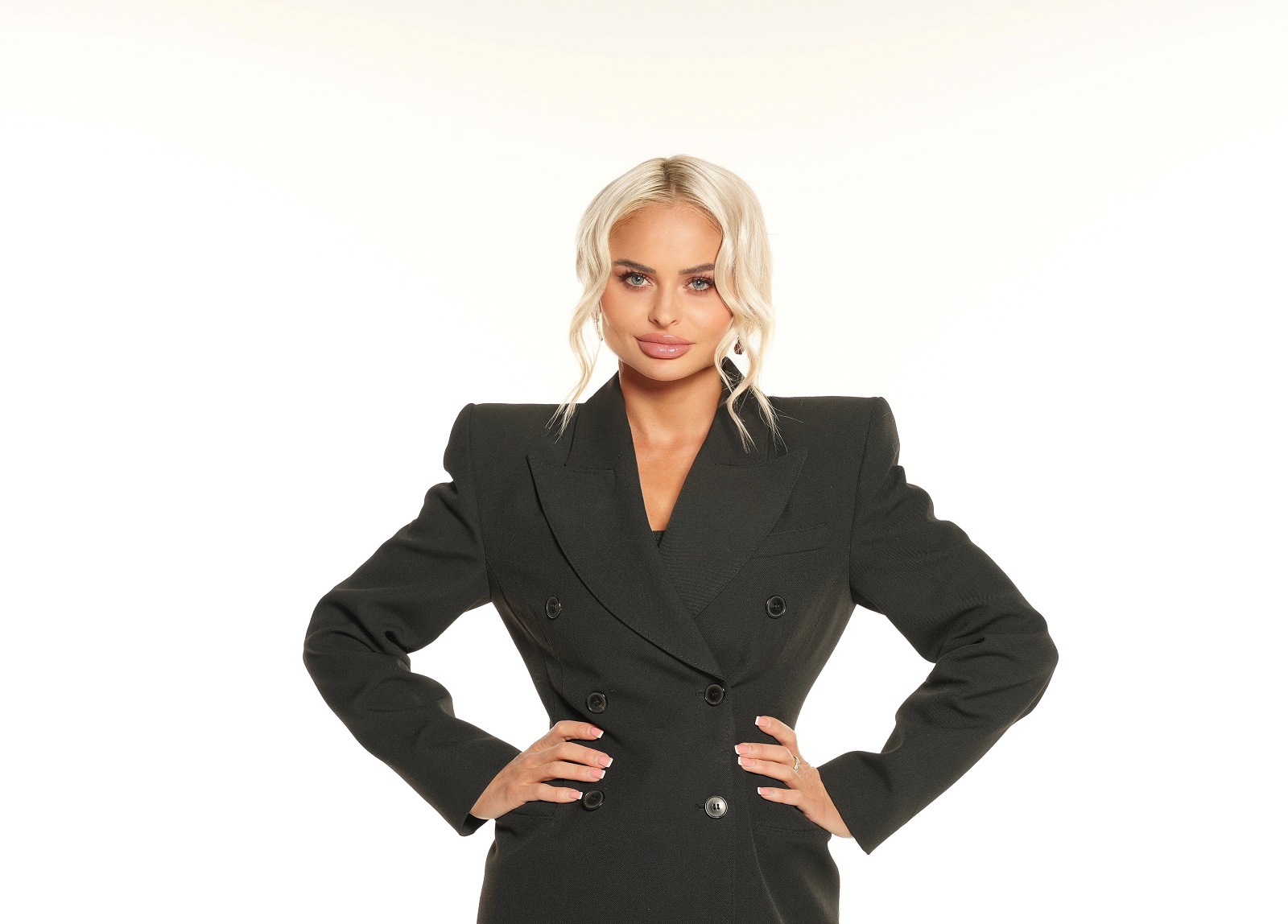

Interview with Maria in Russian
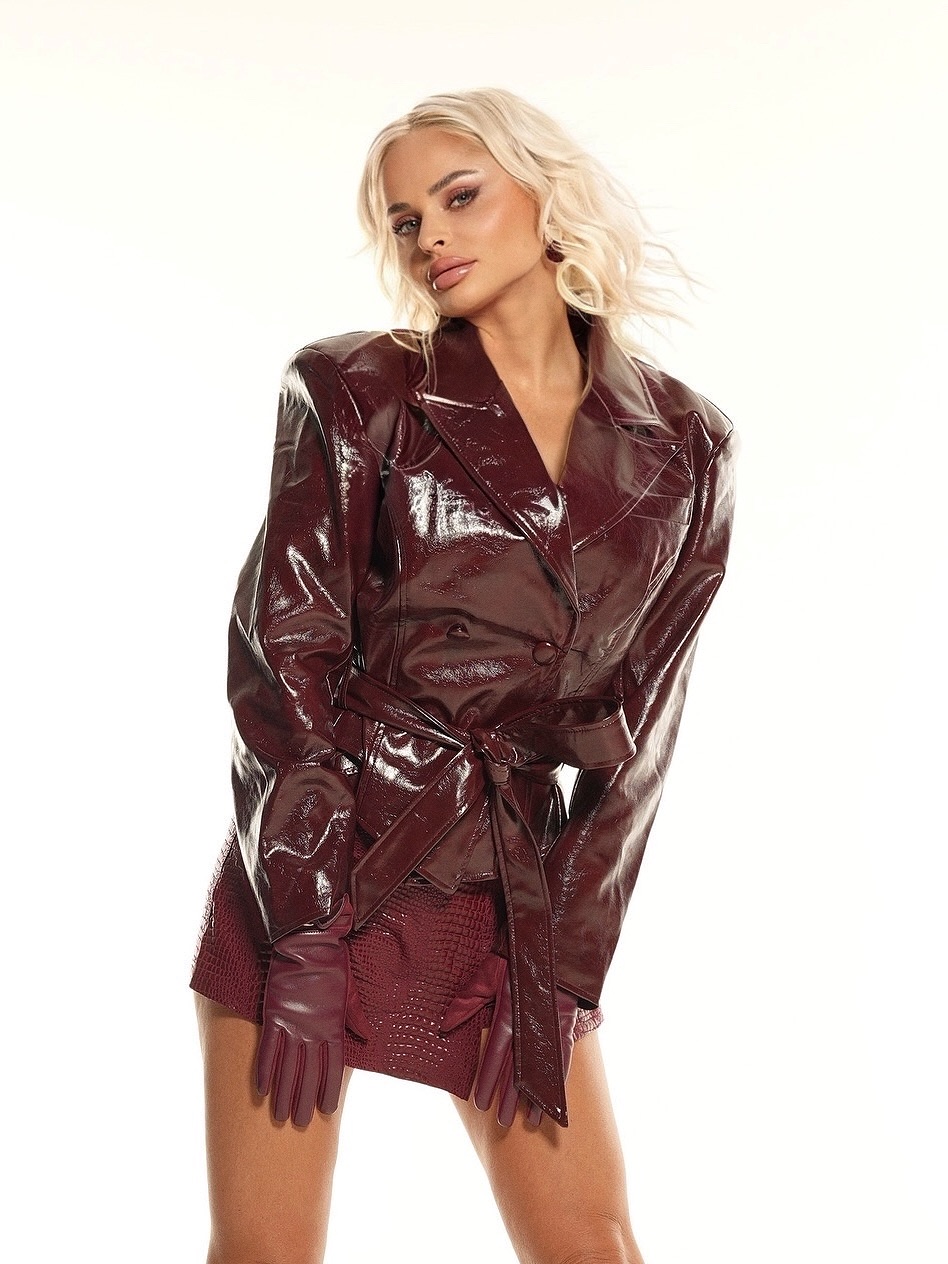
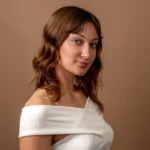
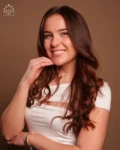
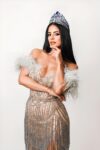
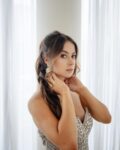
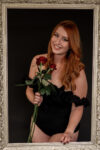
Born in Russia and shaped between two worlds, Maria Ryabikhina stands as one of the most elegant, expressive and deeply strong women of the new generation. Since the age of fourteen, she has been living in Germany, walking a path that is rarely easy: adapting to a new country, learning a new language, embracing a different culture and facing loneliness — all at a time in life when identity is only beginning to take form.
Germany gave Maria structure, discipline and stability. Russia gifted her emotional depth, openness of soul and the ability to feel life profoundly. At the intersection of these two worlds, her unique energy was born — calm, conscious and illuminated from within. Today, Maria is a professional photographer and visual content creator, devoted to portraying women: their stories, their strength and their authentic beauty, free from masks and expectations.
For many years she built a career in banking, creating security and stability. But a decisive turning point — motherhood, followed by divorce — became the beginning of her true life. At thirty-two, Maria realised that while structure is important, without creativity the soul cannot breathe. It was then that she picked up a camera, and with it, a new mission: to help women see themselves differently, often for the very first time.
Now, as she prepares for Mrs Germany 2026, Maria is not pursuing a title — she is embracing a platform to speak to the world about what truly matters: every woman’s right to be herself.
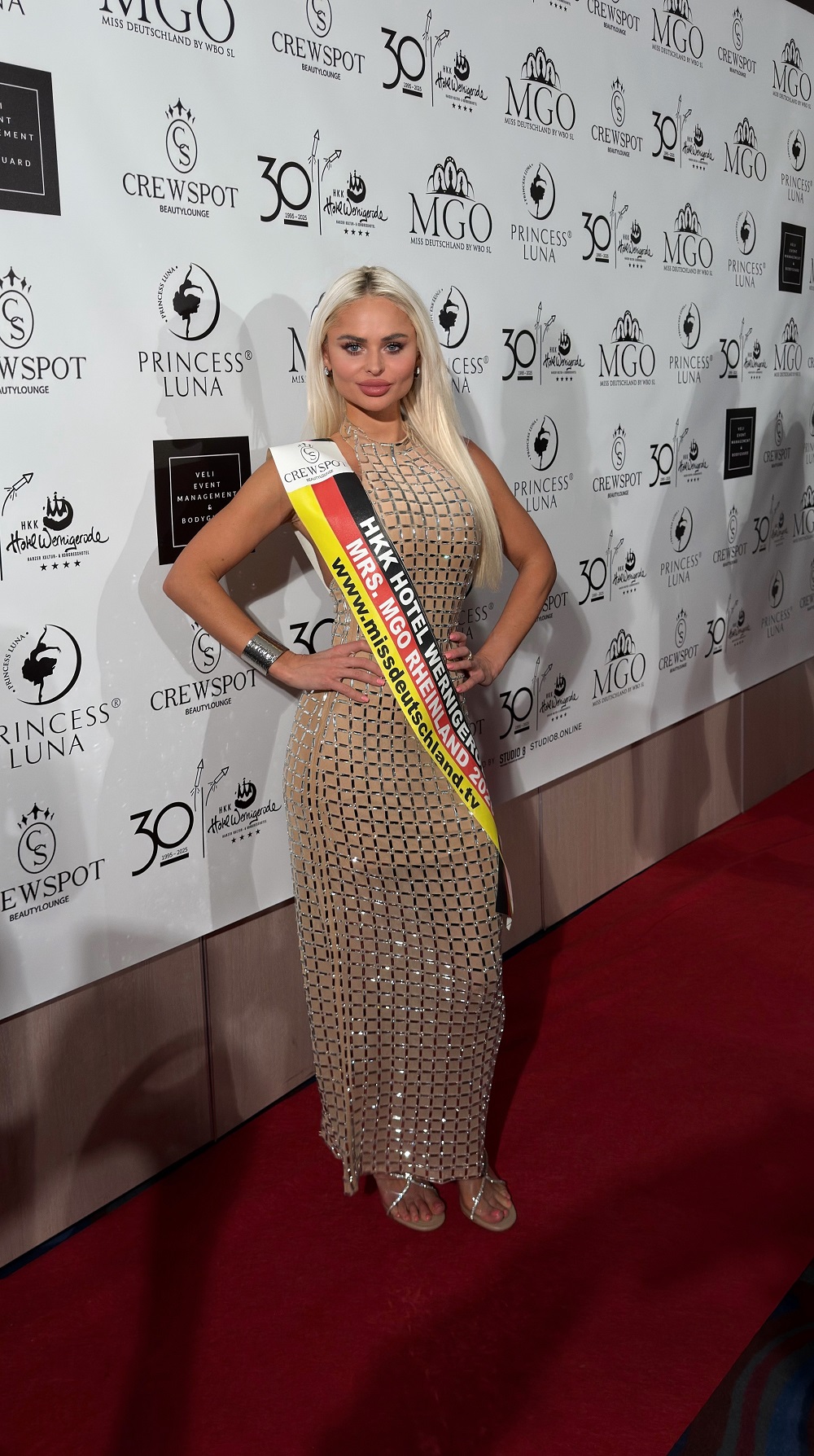
1. Maria, for those who are just discovering your story: where in Russia are you from, what childhood memories still live in your heart, and what was it like for you to build a life in Germany while remaining Russian?
I moved to Germany when I was 14. That’s an age when you’re still finding yourself, and here I was in a new country, with a new language and a different mentality. It was very difficult for me. I didn’t feel the depth I was used to, the breadth of soul I had grown up with. Everything seemed more closed, more structured, with invisible boundaries. The language was difficult — German did not come to me “right away.” I studied it for many years, through mistakes, embarrassment, and silence.
2. Living between two cultures, what do you value most about the German way of life, and what will you always retain from your Russian roots?
Today, I appreciate the structure, clarity, and responsibility in Germany—they provide support. But from my Russian roots, I have retained the ability to feel deeply, to be open, to empathize. For me, life is always more than just a function.
3. Outside of cameras and projects, what are you like in everyday life, and what activities or hobbies fill you with energy?
In life, I am much calmer than I may seem. I love silence, observation, and real conversations. It is important for me to feel people, not just communicate superficially.
4. What motivates you to get up every morning and keep pursuing your dreams, even when the path becomes particularly difficult?
My own journey motivates me. I grew up too early to now live on autopilot. I want to live my life consciously.
5. – What was the most difficult moment when you started your life in Germany from scratch?
The most difficult thing was the feeling of isolation. You seem to be among people, but you don’t feel connected — neither through language nor through mentality.
6.- At what point did you realize that your career in banking no longer reflected your true self?
I became a mother very early — at 18. Now my daughter is 19, and she is my greatest teacher. Motherhood has taught me responsibility and inner strength. At the same time, I was studying, searching for myself, and gradually entered the banking system.
7. What inner fear did you have to overcome when choosing creativity over stability?
The bank gave me a profession, structure, and stability. I studied within the system and still work there. It was an important stage in my life.
8.- When did you first feel, “Now I am living my own life”?
After my divorce, at the age of 32, I was alone for the first time. And then I clearly felt that structure is good, but I was suffocating. I lacked creativity, self-expression, life.
9.- How has Germany changed you as a woman and as a professional?
That’s when I started taking photos. At first, it was just for myself, intuitively. Then it became more serious. That’s how I got into content and creativity.
10.- Why did women become the central theme of your work?
Women became my main theme because I know how easy it is to lose yourself when you live “correctly.”
11.- What do you see in a woman first and foremost—her appearance or her story?
I always see a woman’s journey, not her appearance. What she has lived through and what she carries within herself.
12.- How does your camera help women see themselves in a new light?
My camera is not about posing. It’s about the moment when a woman relaxes and becomes herself.
13.- Was there a shoot that changed your understanding of female power?
Once, a woman said to me, “This is the first time I feel seen.” That changed my understanding of the power of photography.
14.- How do you create an atmosphere of trust during photo shoots?
I create an atmosphere without pressure. I know how important it is to feel safe.
15.- What message do you want every woman to take away after seeing your content?
I want every woman to take away the message: I am okay.
16.- What is more important to you—aesthetics or message?
For me, the message is always more important. Aesthetics is just a way of communicating.
17.- How do you manage to stay authentic in a digital world of comparisons?
I consciously refuse to make comparisons. I return to my path again and again.
18.- What response from a woman has touched you the most?
The most touching response is when a woman says that after the shoot, she became kinder to herself.
19.- How do you protect your inner balance in the space of social media?
I cherish my inner space. Without it, it is impossible to be honest.
20.- What does participating in the Mrs. Germany 2026 contest mean to you personally?
For me, participating in Mrs. Deutschland 2026 is an opportunity to show a woman with a story, not just an image.
21.- How does your path in the competition differ from the classic image of a “beauty queen”?
My path is not classic. It wasn’t easy for me to get here. And that’s where my strength lies.
22.- What image of a modern woman do you want to present on this stage?
I want to show a woman who combines strength and sensitivity.
23.- What would you like the jury to see in you beyond titles and appearance?
I want the jury to see my depth, my journey, and my honesty.
24.- How do you see your influence after the contest is over?
My influence is in permission. Permission to be yourself.
25.- When a woman loses touch with herself, where does her return begin?
Returning to yourself begins with honesty.
26.- What truth about women do you want the world to finally realize?
I want the world to understand that a woman is not a role, but a living, changing personality.
27.- What do you say to women who are afraid to take the first step?
I tell women that fear is not a sign of weakness, it is a sign of growth.
28.- What lesson does your own story teach every woman reading this interview?
My story shows that it is possible to start from scratch—more than once.
29.- How do you define true female freedom?
True freedom is living in harmony with yourself.
30.- What message would you like to leave to women who are just starting out on their journey?
Don’t be afraid to change direction. You don’t have to stay where you feel confined.
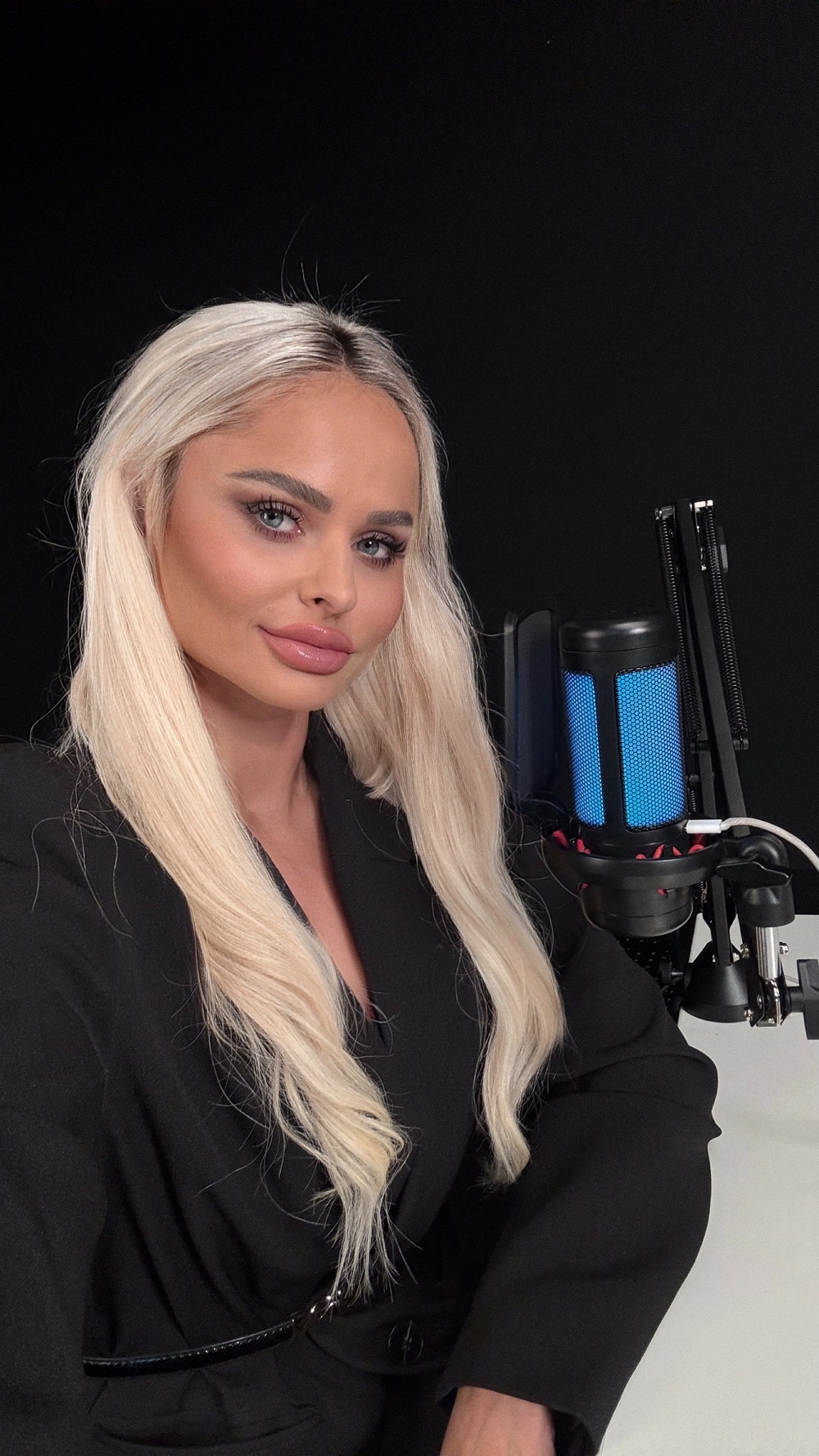
Interview conducted by Jaime Mybs with Maria Ryabikhina – Russia
English language
Interview authorized : Maria Ryabikhina – Perumira – Jaime Mybs
All Rights Reserved in the name of Maria Ryabikhina – Perumira – Jaime Mybs
About Me
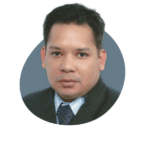
Jaime Mybs
🔷 Comunicador y Marketing Digital
🔷 Piloto Profesional DGAC
🔷 2o Lugar Honorario 2013 : Presidencia del Consejo de Ministros - Presidente de la República - Concurso "Tramite de Mas" Experto en Proyectos.
🔷 Premio "Cesar Vallejo" 2024 - UHE Unión Hispanomundial de Escritores - Excelencia Empresarial de Perumira Global Talent
🔷 Premio "Paloma de Oro" 2024 - Director Internacional Perumira
🔷 CEO de Perumira Global Talent Magazine: Entrevistas a señoritas, reinas de belleza y modelos destacadas de todo el mundo. Entrevistas a talentos y profesionales de todo el mundo
🔷 TOP Entrevistas a Finalistas de:
- Miss Universe Canada 2020
- Miss World Costa Rica 2020
- Miss World Canada 2022
- Miss World Uruguay 2022
- Miss Sudamerica Lima Sur 2023 Peru
- Miss Continental Spain 2023
- Miss Galicia Intercontinental 2023
- Miss Intercontinental Spain 2023
- Miss Universe Denmark 2023
- Miss Globe Spain 2023
- Mrs Galaxy Australia 2024
- Miss Planet International 2024
- Reina Nacional de la Revolucion Argentina 2024 7ma Edicion
- Reina Nacional de la Revolucion Argentina 2024 8va Edicion
- Miss Beauty of Utrecht 2025 Netherlands
- Miss Beauty of Overijssel 2025 Netherlands
- Miss Beauty of Friesland 2025 Netherlands
- Miss Beauty of Gelderland 2025 Netherlands
- Miss Beauty of Flevoland 2025 Netherlands
- Miss Beauty of Groningen 2025 Netherlands
- Miss Beauty of Limburg 2025 Netherlands
- Miss Beauty of Noord-Brabant 2025 Netherlands
- Miss Beauty of Zeeland 2025 Netherlands
- Miss Teen of Noord-Holland 2025 Netherlands
- Miss Teen of Groningen 2025 Netherlands
- Miss Teen Limburg 2025 Netherlands
- Miss Teen of Flevoland 2025 Netherlands
- Miss Teen of Friesland 2025 Netherlands
- Miss Teen Gelderland 2025 Netherlands
- Miss Teen of Noord-Brabant 2025 Netherlands
- Miss Teen of Utrecht 2025 Netherlands
- Miss South Holland Teen 2025 Netherlands
- Miss Universe Gelderland 2025 Netherlands
- Miss Universe Limburg 2025 Netherlands
- Miss Universe North Holland 2025 Countries Netherlands
- Miss Universe Utrecht 2025
- Miss Universe Zealand 2025
- Miss Aura Netherlands 2025
- Australia Galaxy Pageants 2025
- Miss Grand Cádiz 2025 Spain
- Miss Grand Córdoba 2025 Spain
- Miss Teen Valencia 2026 Spain
- Miss Peace International 2026
- Miss Noord-Holland Teen 2026 Netherlands
- Miss Noord-Brabant Teen 2026 Netherlands
- Miss Limburg Teen 2026 Netherlands
- Miss Groningen Teen 2026 Netherlands
- Miss Gelderland Teen 2026 Netherlands
- Miss Friesland Teen 2026 Netherlands
- Miss Drenthe Teen 2026 Netherlands
- Miss Noord-Holland 2026 Netherlands
- Miss Noord-Brabant 2026 Netherlands
- Miss Limburg 2026 Netherlands
- Miss Groningen 2026 Netherlands
- Miss Friesland 2026 Netherlands
- Miss Flevoland 2026 Netherlands
- Miss Aura Netherlands 2026
- Miss & Mrs Unity Netherlands 2026
- Miss Progress Netherlands 2026
🔷 Escritor - Autor de Amazon de:
✅ Poesía (Un Trozito de Poesia)
✅ Historia (Zaña Colonial)
✅ Educación (Des-Enredando la Educación)
🔷 Especialista en SEO
🔷 Columnista de Multimedios Puntocero. Yo Radio Argentina
🔷 Community Manager y creador de contenidos desde 2011.


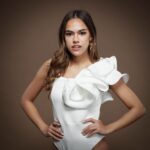
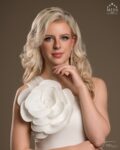
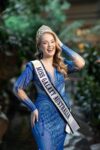





Perumira Global Talent Magazine is an international publication celebrating beauty, art, and empowerment through exclusive interviews with top models, beauty queens, and creative professionals from around the world. For over 11 years, Perumira has been a stage where talent meets inspiration — sharing authentic stories, achievements, and experiences that redefine success and elegance.
Founded with a passion for storytelling and cultural diversity, Perumira connects readers across continents, showcasing rising stars and established icons who lead with creativity, intelligence, and heart. From the glamour of global pageants and fashion runways to the voices of empowered women transforming industries, the magazine highlights authenticity, resilience, and purpose.
More than a magazine, Perumira is a global movement that promotes visibility, confidence, and innovation in every form of talent. With a growing English and Spanish audience, Perumira continues to inspire new generations to believe in their dreams, embrace their identity, and shine on their own stage — because every story deserves to be seen and celebrated.

[…] Интервью с Марией на английском языке. […]